
When you need more space at home, you’re often faced with a dilemma. Do you convert and try to improve your existing space, or do you build an extension? Both options will give you the extra space you’re after, but they work differently, cost differently, and suit different situations.
The truth is, what works best depends entirely on your home, how you use it, and what you’re trying to achieve. Over the years, we’ve completed both types of projects across the West Midlands. We’ve converted garages into beautiful living spaces, and we’ve built extensions that have completely transformed how families use their homes.
This guide will give you a clear look at both choices. We’ll cover the practicalities, the timescales, the planning side of things, and most importantly, how to work out which approach suits your home and your situation.
When You Need More Space
It’s a familiar story. The kids are getting older and need their own rooms. You’re working from home, and the kitchen table isn’t cutting it. Your hobbies have taken over the dining room. Or maybe you’ve just accumulated decades of belongings, and your home feels cramped.
You know you need more usable space, but you’re not sure how to get it. Moving house is expensive and stressful, plus you like your area and your neighbours. The solution is adding space to your existing home – but should that be a garage conversion or a home extension?
The Case for Converting Your Garage
In our experience, most garages become dumping grounds for bikes, tools, paint tins, and boxes. If that sounds familiar, converting your existing garage into a proper room might make a lot of sense.
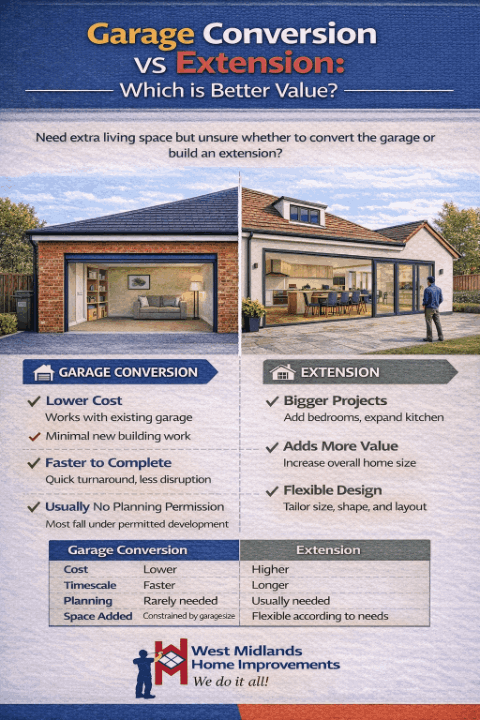
The big advantage of a garage conversion is that you’re working with an existing structure. The walls are already there, the roof’s already on, and the foundations are done. This typically makes the project quicker and less expensive than an extension. Many conversions can be completed in just a few weeks, with minimal disruption to the rest of your home.
Because you’re converting rather than building new, you usually don’t need planning permission. Garage conversions generally fall under permitted development rights. This speeds things up considerably and removes one potential headache from the process.
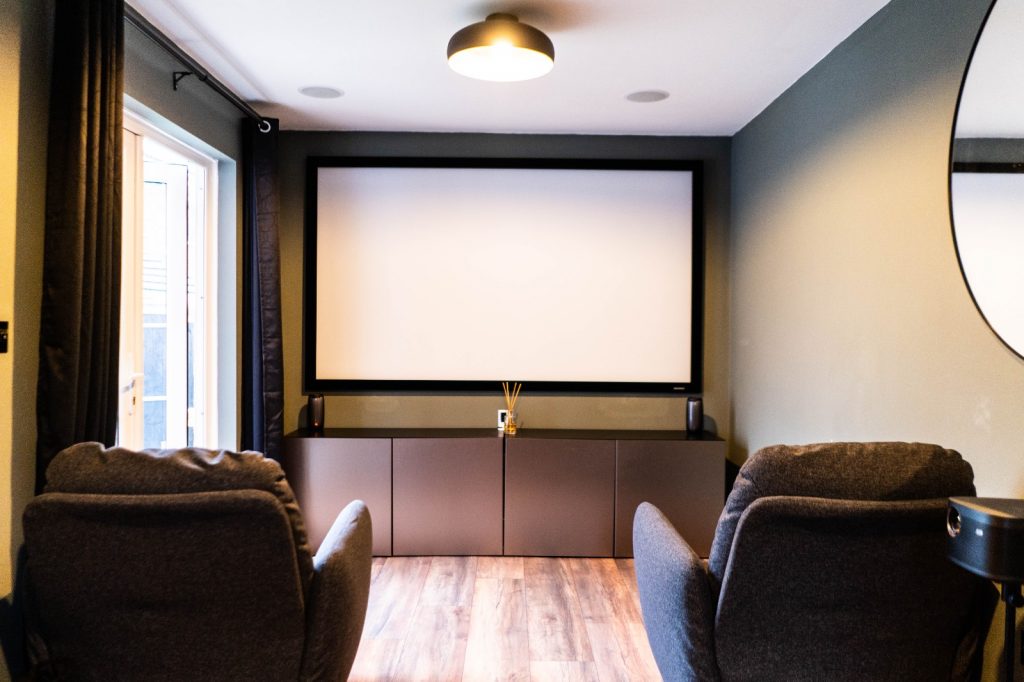
A converted garage can become pretty much anything you need. We’ve created home offices for people working remotely, extra bedrooms for growing families, playrooms that keep toys contained, and utility rooms that free up kitchen space. The possibilities are wide open.
Cost-wise, garage conversions are generally more affordable than extensions. You’re not digging foundations or building walls from the ground up. The main limitation is size. You’re constrained by the footprint of your existing garage, which is often quite narrow. And of course, once it’s converted, you’ve ‘lost’ your garage – something worth considering.
When a Home Extension Makes More Sense
Sometimes a garage conversion won’t give you what you need. Maybe your garage is attached to your kitchen, and you’d rather extend the kitchen itself, or perhaps you need more space than your garage could provide, even fully converted.
That’s when a full extension becomes the better option.
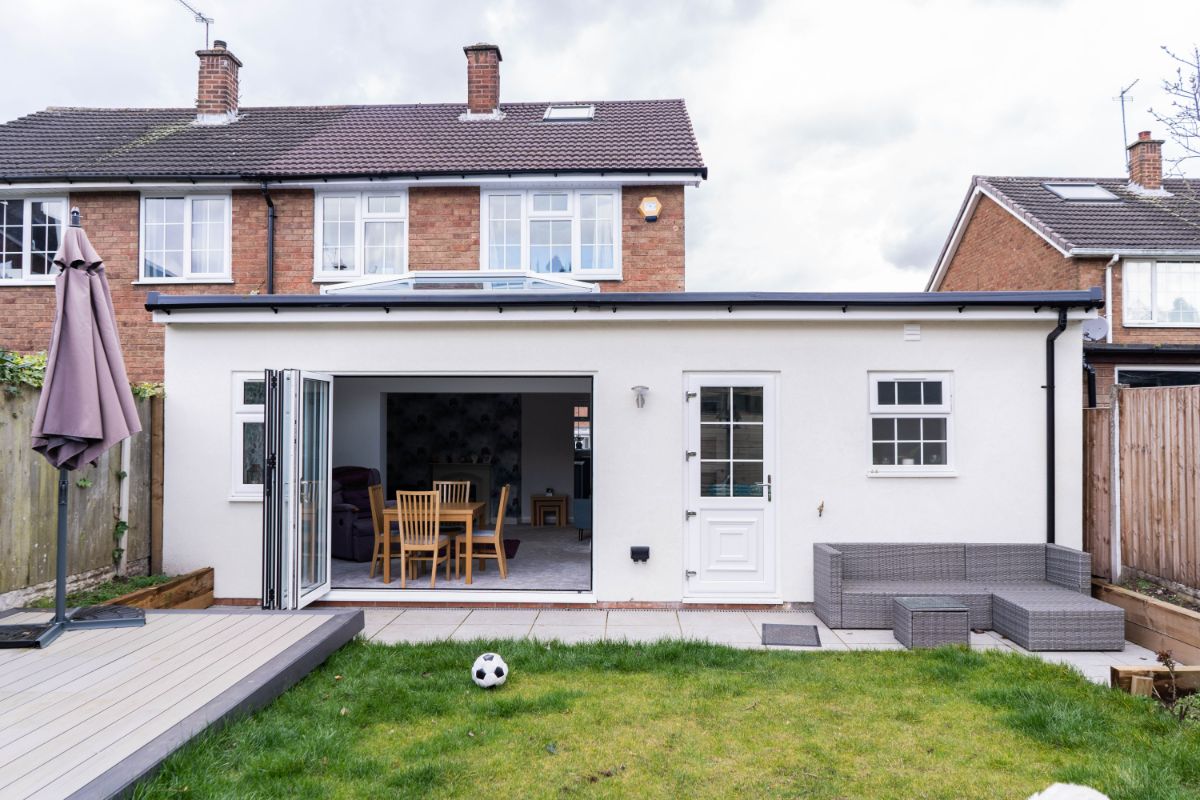
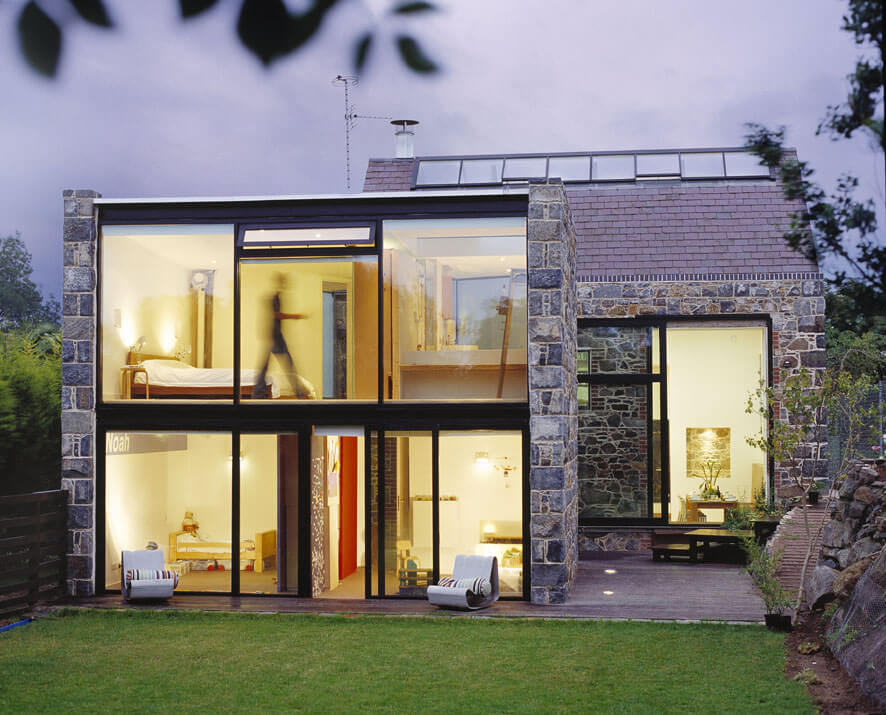
Extensions give you complete flexibility over size, position, and design. Want a large kitchen-diner that opens onto the garden? An extension is your answer. Need to add a bedroom and en-suite on the ground floor for elderly relatives? An extension works. Looking to create a proper dining room or a spacious living room? Extensions deliver this new space in a way conversions often can’t.
Unlike garage conversions, extensions also let you add space without losing anything. Your garage stays as it is, your garden might shrink slightly, but you’re adding usable square footage to your home rather than repurposing what already exists.
Building an extension typically adds more to your property value than a garage conversion does. You’re increasing the overall size of your home, which is what buyers look at. A well-designed extension can significantly increase the value of your home, particularly if you’re adding bedrooms or creating open-plan living spaces.
The downsides? Extensions cost more because you’re building from scratch. They also take longer. And even though we handle all the paperwork, you’ll probably have to wait for planning permission too. If you’re in a conservation area, planning becomes even more involved.
Working Out What’s Right for You
We’re currently running a special offer to help make these projects more affordable.
If you book your conversion or extension in January, we’re taking 26% off the total cost. If you’ve been putting off adding that extra living space, this might be the right time to move forward.
So, garage conversion vs extension – which is better for you?
Garage conversions are typically faster, less disruptive, and more affordable. They’re ideal if you have a garage you don’t really use, you need a room of a certain size, and you want the project done relatively quickly. They’re an excellent option for adding a home office, an extra bedroom, or a utility room without high costs or loss of garden space.
Extensions give you more control over size and position. They’re better for larger projects, for adding multiple rooms, or for creating specific layouts. They preserve your existing garage and generally add more to your home’s value in the long run.
For further information, advice, or a no obligation free quote, call us on 0121 726 6730, email us at contact@westmidlandshomeimprovements.com, or use our online contact form.
Frequently Asked Questions
How much does a garage conversion cost compared to an extension?
Garage conversions are generally less expensive because you’re working with an existing structure. However, exact costs vary widely depending on what you’re converting the space into and what work is needed. Extensions cost more because you’re building from scratch, but they also give you more flexibility and typically add more to your property value. During our free consultation, we can provide you a realistic idea of the costs for both options.
Do I need planning permission for a garage conversion or extension?
Most garage conversions fall under permitted development and don’t require planning permission. Extensions sometimes need planning permission depending on their size and position, particularly if you’re in a conservation area. We handle all planning and building regulations applications for our customers, so you don’t need to worry about navigating this yourself.
Which adds more value to my home?
Generally, a well-designed extension adds more to your home’s value because you’re increasing the actual size of the property. However, a garage conversion can still add significant value, particularly if it creates a bedroom.