Planning a loft conversion can feel a bit overwhelming at first. There’s the design to think about, regulations to follow, and structural work to figure out. But it doesn’t need to be complicated. When you understand what’s involved from the start, the whole process becomes much more straightforward.
At West Midlands Home Improvements, we’ve guided dozens of homeowners through loft conversions across Birmingham and the surrounding areas. Every project starts the same way – with careful planning and proper drawings that show exactly what’s going to happen to your home.
This guide explains what plans for loft conversions include and how we handle the whole process from start to finish.
What Loft Conversion Plans Include
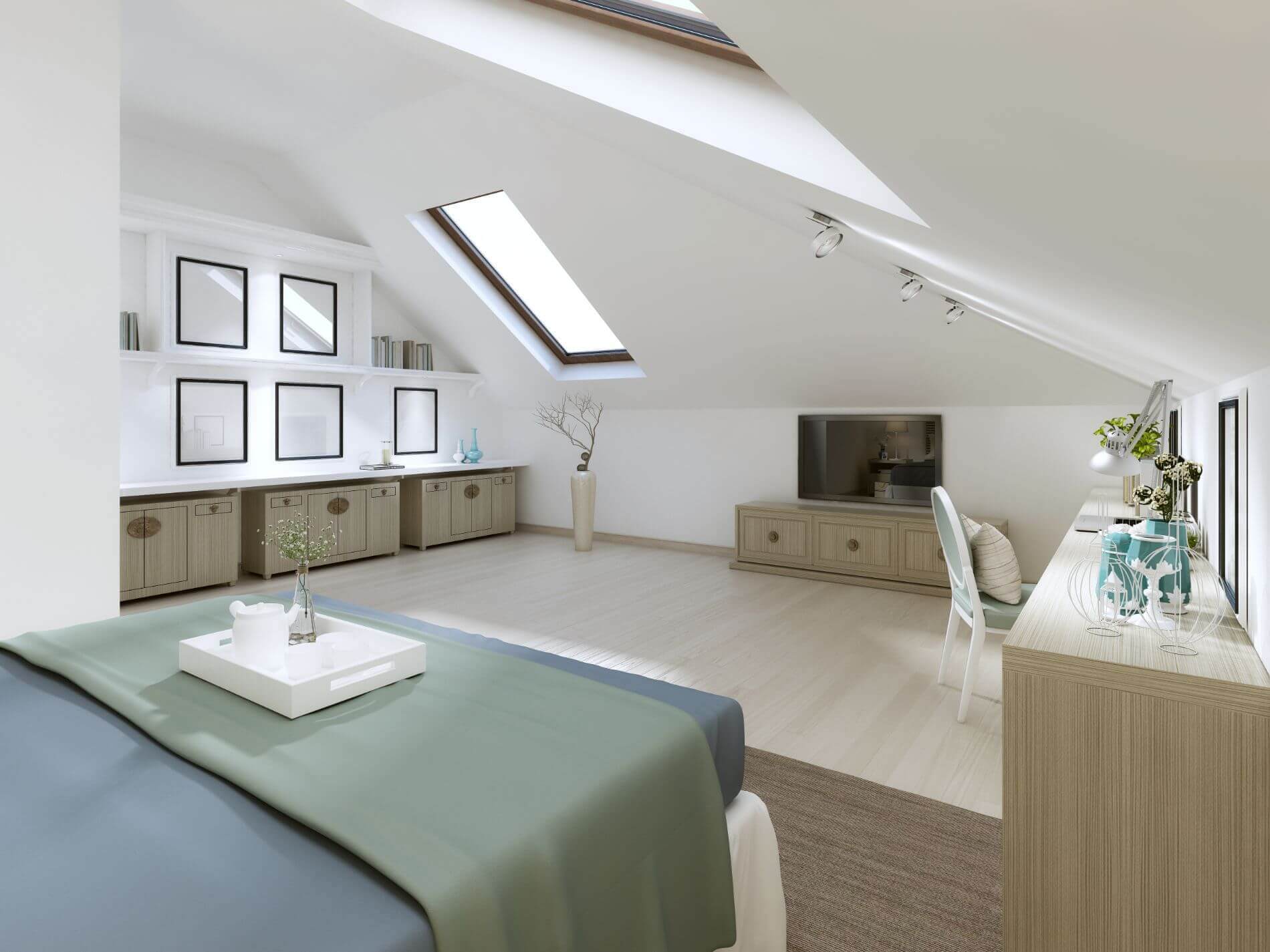
A typical set of plans includes floor layouts showing where the new floor will sit and how the usable space will be divided. You’ll see where the new staircase goes, where any storage fits in, and how the room or rooms are arranged. These layouts also show the floor structure and how it’s being reinforced to take the weight of habitable rooms.
Elevations are drawings of what your house looks like from the outside. They show the existing roof and what changes are being made – whether that’s adding a dormer, fitting roof windows, or extending the roof line. These are particularly important if you’re in a conservation area or if your changes affect the street scene.
Structural drawings detail how the existing roof structure will be modified and what support is needed. Your roof wasn’t originally designed to hold living space, so these drawings show where new beams go, how the roof structure is being strengthened, and how loads are transferred down through the building. Getting this right is essential for structural integrity.
Finally, there are specifications for building regulations compliance. These cover everything from head height and fire safety to insulation and ventilation. The plans need to show that your type of loft conversion will meet building regulations approval.
Most loft conversions in the West Midlands fall under permitted development rights, which means you don’t need planning permission. However, if your property is listed in a conservation area, or if you’re making significant changes to the roof, you might need planning permission too.
From design, to planning permission, to build – we do it all for you. So there’s no need to worry about any of this.
Types of Loft Conversions We Design and Build
The type of conversion you choose depends on your existing roof slope, how much floor space you want, and what your existing loft space looks like now.
A dormer loft conversion extends out from the existing roof, creating a vertical wall and usually featuring a flat roof. This gives you much better head height and significantly more usable space than working within the original roof. Dormers normally face the rear or side of your property.
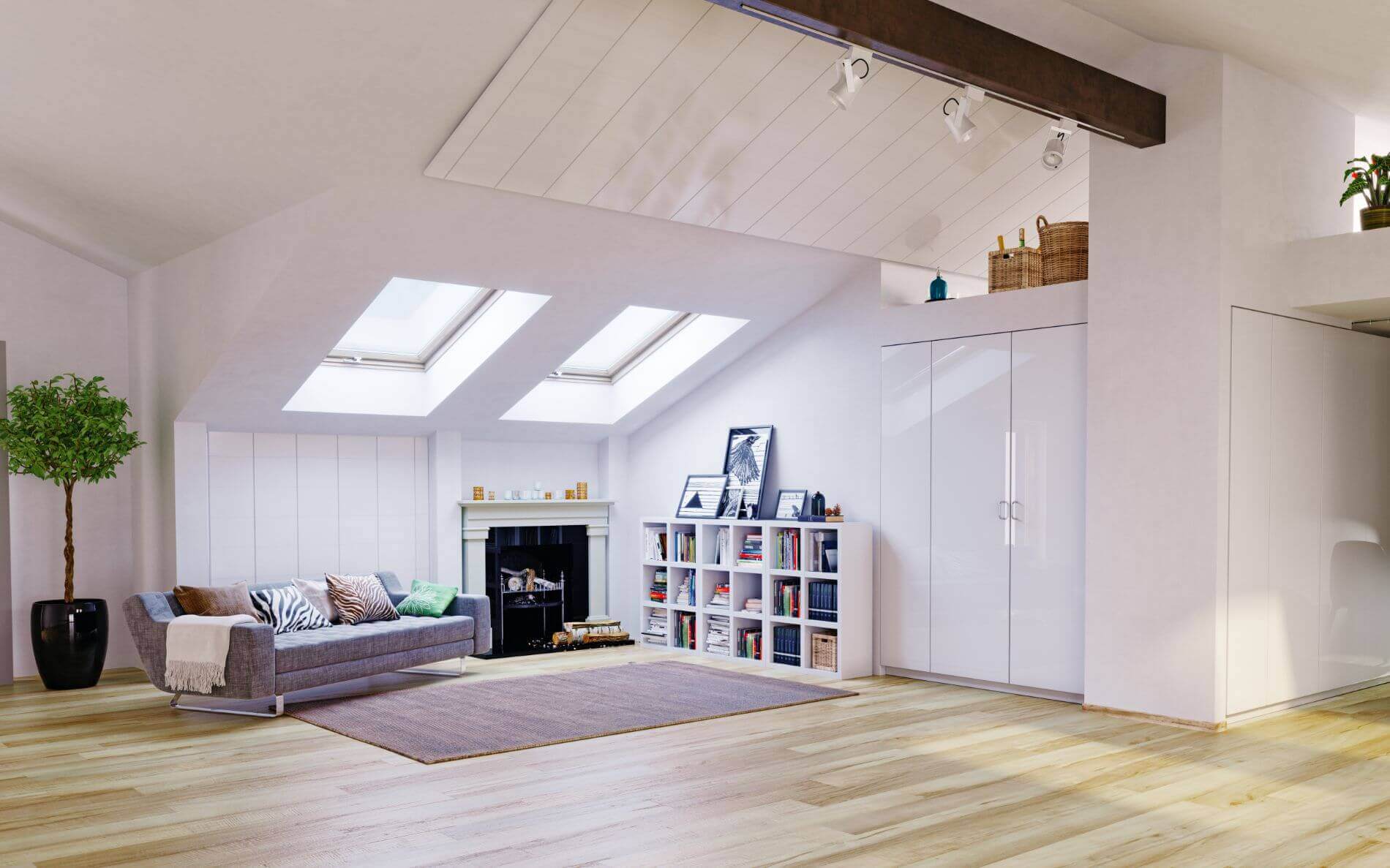
Velux loft conversions keep the existing roof structure intact and add roof windows. If you already have good head height and decent roof space, a Velux loft conversion can be an excellent, cost-effective option. Roof windows are a great way to add natural light without changing the external appearance of your home. These conversions are usually the quickest to complete and often work well for a home office or an extra bedroom.
Hip-to-gable conversions are for homes with a sloped roof on the side. We replace this slope with a vertical wall, which creates much more internal space. This type of conversion is popular in semi-detached and detached houses where you want to maximise the floor area available.
Our Full Design and Build Service
We handle everything in-house, which means you’re dealing with one team from start to finish.
When you first get in touch, we’ll arrange a free consultation at your property. We’ll look at your existing loft space, measure up, discuss your loft conversion ideas, and talk through what’s realistic given your existing roof and the layout of your home.
From there, we create detailed plans that cover all the points mentioned above – floor layouts, elevations, structural drawings, and compliance. We work with building control, submit all the necessary applications, and handle any queries that come up. If planning permission is needed, we sort that too.
Once everything’s approved, our team carries out all the building work. We’re not a company that does drawings and then hands them over to builders – we do it all. That means better communication, clearer accountability, and a smoother process for you.
If you want to see exactly what we are capable of, take a look at this fantastic loft conversion we completed in Wolverhampton.
Improve Your Home With Us
Loft conversion planning doesn’t need to be stressful. When you work with a company that’s done it many times before and knows what building control and planning teams in the West Midlands are looking for, the process runs smoothly.
The most important thing is getting proper advice early on. Not every loft is suitable for conversion, and it’s better to know that upfront than to waste time and money on plans that won’t get approved. That’s why we always start with a site visit and an honest conversation about what’s possible.
If you’re thinking about converting your loft, we’d be happy to come and have a look. We offer free consultations across Birmingham and the West Midlands. We’ll tell you whether a loft conversion is a good idea for your home, what type of conversion would work best, and give you a precise quote with no hidden surprises.
Give us a call on 0121 726 6730, email us at contact@westmidlandshomeimprovements.com, or use our online contact form.
Frequently Asked Questions
Do I need planning permission for a loft conversion?
Most loft conversions fall under permitted development rights and don’t need planning permission. However, if your home is listed, in a conservation area, or if you’re making changes to the front of your property, you might need permission.
How long does it take to get loft conversion plans approved?
Building regulations approval typically takes 4-6 weeks once plans are submitted. If planning permission is required, that’s usually 8 weeks. We manage the whole process and keep you updated throughout.
Can you convert any loft into living space?
Not every loft is suitable, but most can be converted. The main things we look at are head height (you need at least 2.2m in the centre), the existing roof structure, and whether there’s enough floor space to make it worthwhile.