
Thinking of adding more space to your home, but worried about the red tape? You’re not alone. For many homeowners, the idea of dealing with planning permission can seem daunting.
But the truth is, not every extension needs planning permission. Thanks to permitted development rights and other rules and schemes, there are plenty of ways to add extra space without even needing to broach planning permission. There are many options available that keep things simple, quick, and cost-effective.
In this blog, we’ll take a closer look at the rules, how to stay on the right side of them, and a few extension types that often fall within permitted development. We’ll also explain how the West Midlands Home Improvements team can support you at every stage of your extension project.
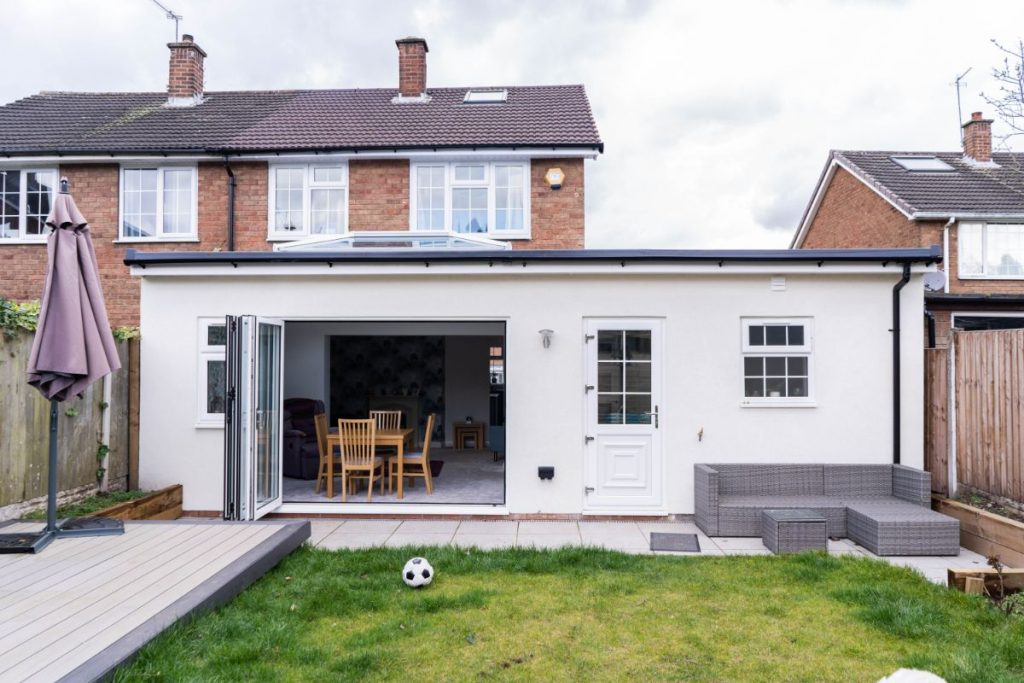
Planning Permission: Not as Scary as You Think
Planning permission has a bit of a reputation. But if your home extension does need it, it’s really quite simple. Our team deals with it all the time. We understand what the local planning authority looks for, and we make sure that everything is clearly documented and submitted correctly.
We can advise you at the very start of your project whether planning permission will be required. If it is, we’ll help you design an extension that meets the rules or help you submit a complete planning application with the correct drawings and documentation.
There are lots of reasons planning permission might be needed – for example, if your home is a listed building, in a conservation area, or if your design goes beyond standard sizes and limits. But very rarely will it hold up your build.
When Planning Permission Isn’t Needed
In many cases, you can build an extension without planning permission under something called permitted development rights. These are rules that allow you to make specific changes and additions to your home without needing approval from the local council or planning department.
Here are some of the key rules:
- Your extension must be at the rear or side of your existing house
- It must not take up more than 50% of the area of land around your home
- For rear extensions, it can extend up to 3 metres for a terraced or semi-detached home, or 4 metres for a detached home
- For side extensions, it must be single storey, no more than 4 metres high, and no wider than half the width of the original house
- It must not be higher than the roof of the existing house
- It must not go beyond the rear wall of the original house by more than the permitted amount
If your plans stay within these specific conditions, then it usually won’t require planning permission. However, you’ll still need to follow building regulations to ensure safety, insulation, and structural stability. We take care of that as standard.
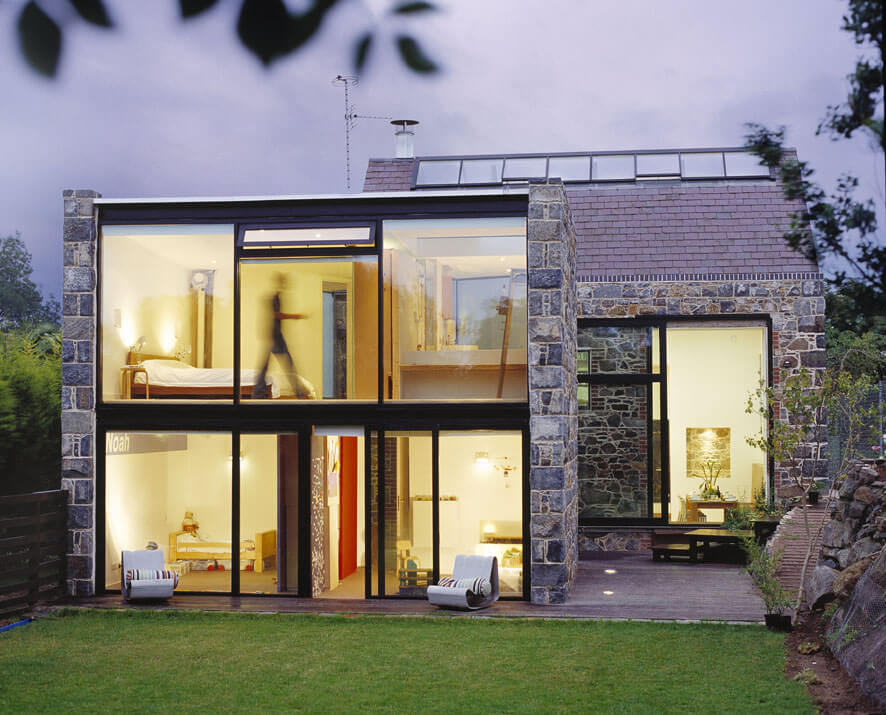
Simple Extension Ideas
Here are some ideas for home extension projects that wouldn’t need planning permission.
Rear Extension
A single storey extension at the rear of your home is one of the most popular ways to add usable space. If you stay within the depth and height limits that we mentioned above, and the extension doesn’t impact neighbours, you may not need full planning.
These are great for bringing in natural light, opening the back of the home, and making room for a growing family. If designed well, they can dramatically improve the layout, whether that be for dining, cooking, or hosting.
Side Utility Room
Many people have unused space to the side of their property, ideal for side extensions like a utility room, boot room, or even a small office. As long as the design is single-storey, under 4 metres in height, and doesn’t go beyond half the width of the original house, you’ll likely stay within permitted development rules.
These are ideal for freeing up the kitchen, adding storage, or creating more privacy. They’re a great way to make use of awkward or narrow parts of the footprint without significant disruption.
Garage Conversion
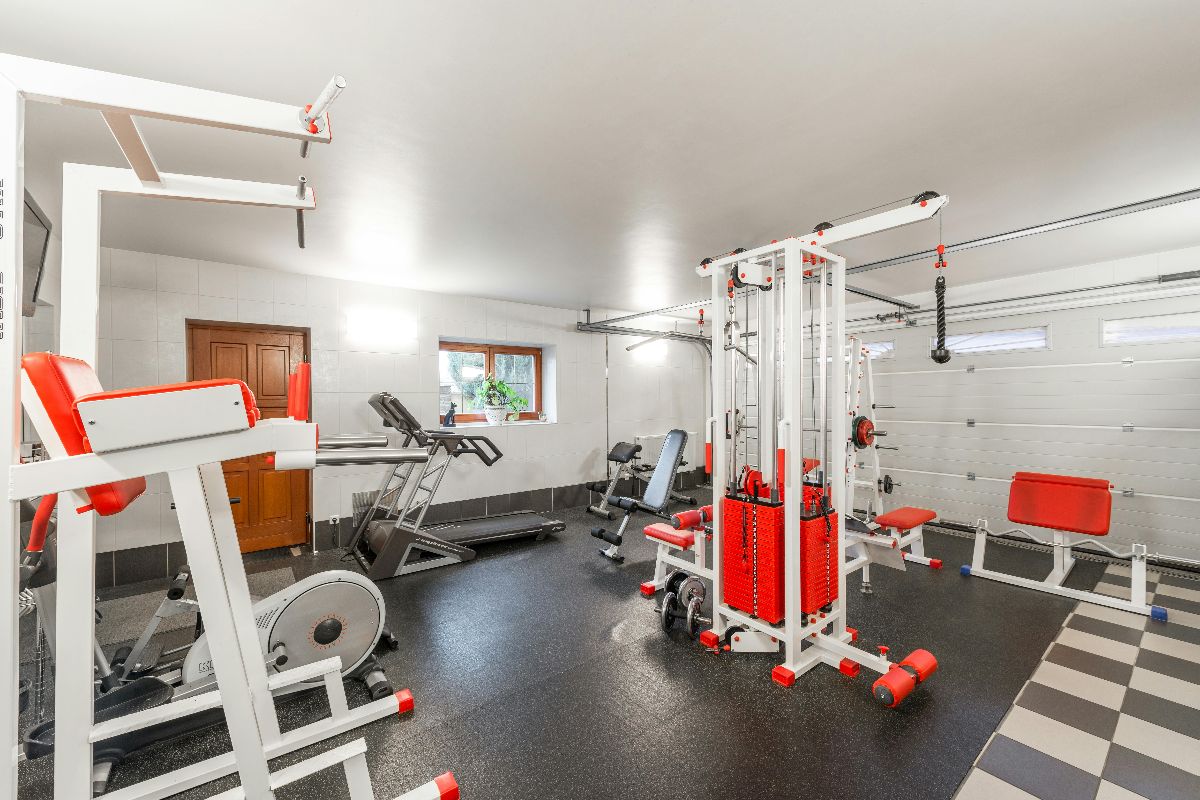
While not an extension in the traditional sense, converting a garage into a new room can add real value. If you’re not making changes to the external structure or increasing the size of the building, it often won’t need planning permission.
Turning a garage into a home office, utility room, or games room is a great option. These conversions create habitable space within the existing structure of your home and can be a cost-effective alternative to building outwards.
Get the Space You Need Without the Hassle
If you’re considering a home extension or garage conversion, it’s worth finding out whether your project could be completed under permitted development rights. In many cases, the work you want done is possible without submitting a full planning application.
At West Midlands Home Improvements, we have many years of experience managing house extensions, conversions, and builds of all sizes. We’ll help you understand what’s possible, guide you through any approval process if needed, and handle everything from the foundations to the final finishes.
For more information, or to arrange a free, no obligation quote, you can:
- Call us on 0121 726 6730
- Email us at contact@westmidlandshomeimprovements.com
- Use our online contact form
Frequently Asked Questions
Do I need planning permission for all types of extensions?
No. Thanks to permitted development rights, some types of extensions can be built without planning permission, as long as they meet certain size and design rules.
What if I live in a listed building or conservation area?
If your home is a listed building or in a conservation area, the rules are stricter. You’ll likely need to apply for full planning permission and get the necessary approvals from your local authority.
Does a home extension need to meet building regulations?
Yes. Even if your build doesn’t need planning permission, it will still need to meet building regulations for safety and energy efficiency. We make sure every build is fully compliant.